


This satellite almost never sees night.
On October 1, 2026, Google put its first Project Suncatcher satellite into orbit to test whether AI chips can run in space. Source
Day and night start at right now and run 10× fast.
Two panels, any day of the year
Put the ground panel in
Ground · Tromsø
Orbit · dawn-dusk
Same panel. Google says up to 8x the power. Source
Ground curve modeled, clear sky, flat panel. Bars show energy relative to the orbital panel.
Try Tromsø in December.
Design the orbit
Time in sunlight
100%
One orbit takes
98 min
This is why Google wants to fly here.
Modeled circular orbit, cylindrical Earth shadow. Paper
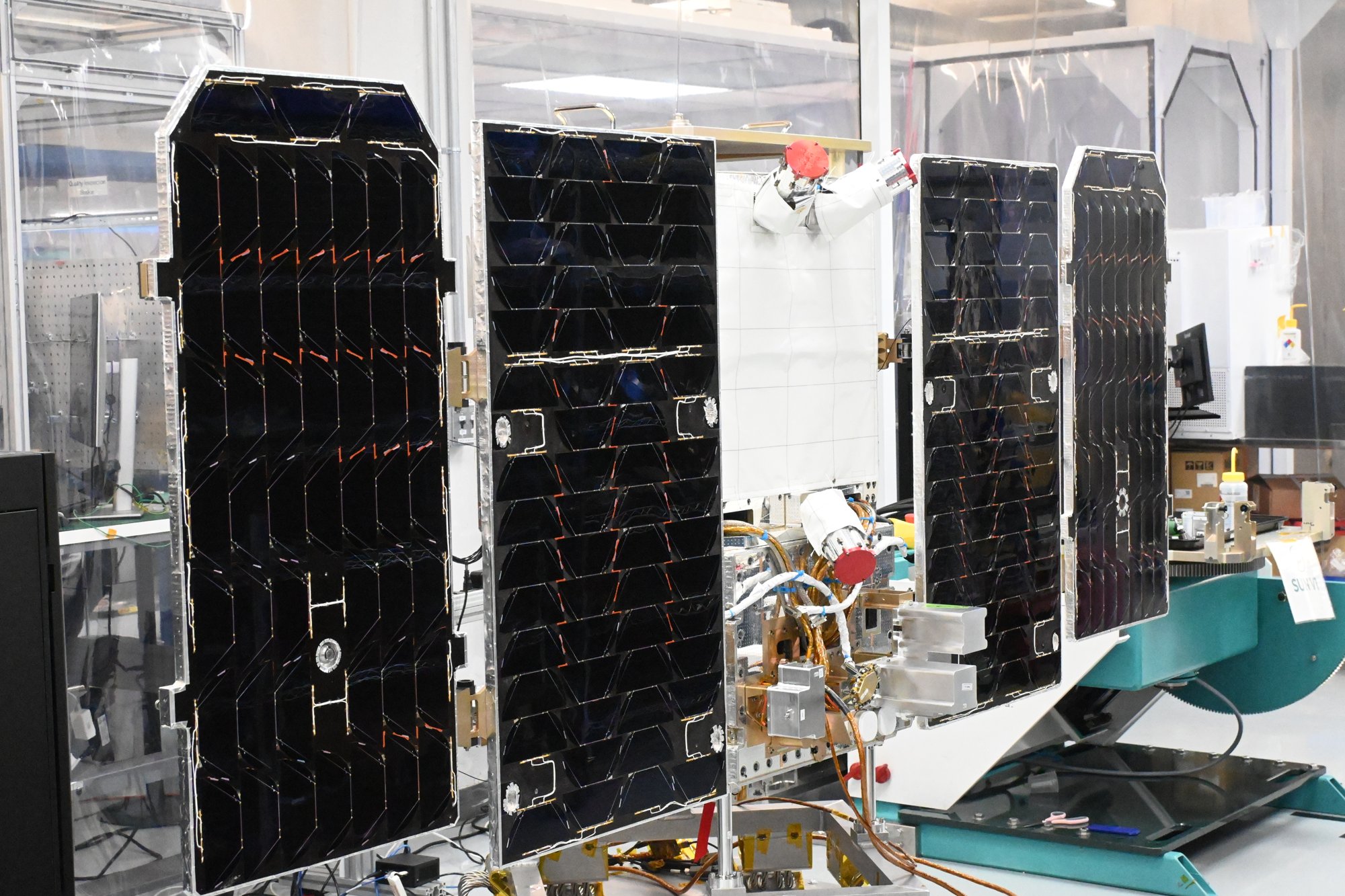
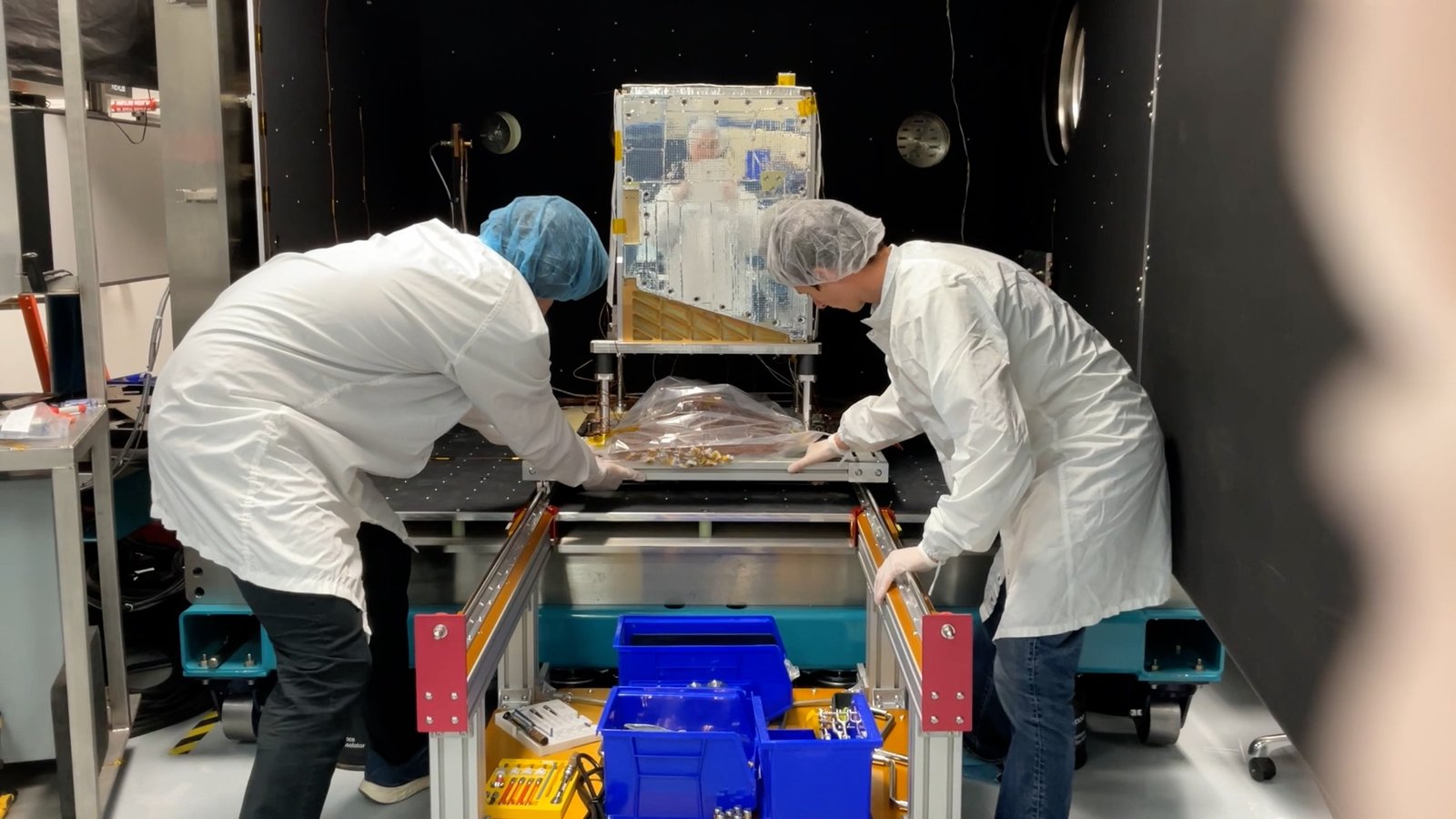
Inside the satellite
What comes next
2027 · planned
Two satellites, linked by laser
Long-term vision · from Google's paper
A cluster flying in tight formation
- 81
- satellites in the illustrative cluster
- 1 km
- cluster radius
- 100–200 m
- between neighbors, shifting each orbit
- 650 km
- mean cluster altitude
2027: two satellites, linked by laser. After that: a moonshot.
Power from the Sun, above the clouds
Google's first Project Suncatcher satellite, built with Planet, is in orbit and operating as expected. It carries Trillium TPUs to find out whether AI chips can work in space, where a panel can catch near-constant sunlight. Google calls it a moonshot; the next step is two satellites linked by laser in 2027.
MTS × Built with Lovable